
 es
es English
Una lona sólida bloquea el sol. También bloquea el aire. The space underneath gets hot and stuffy. Sunscreen mesh fabric solves that. It is woven with small gaps. Sunlight comes through—but not all of it. Luz suficiente para ver. Suficiente sombra para refrescarse. Air passes through. The area underneath stays breezy. un sunscreen mesh fabric factory produce este material para pérgolas, invernaderos y aparcamientos. Here is what buyers should know.
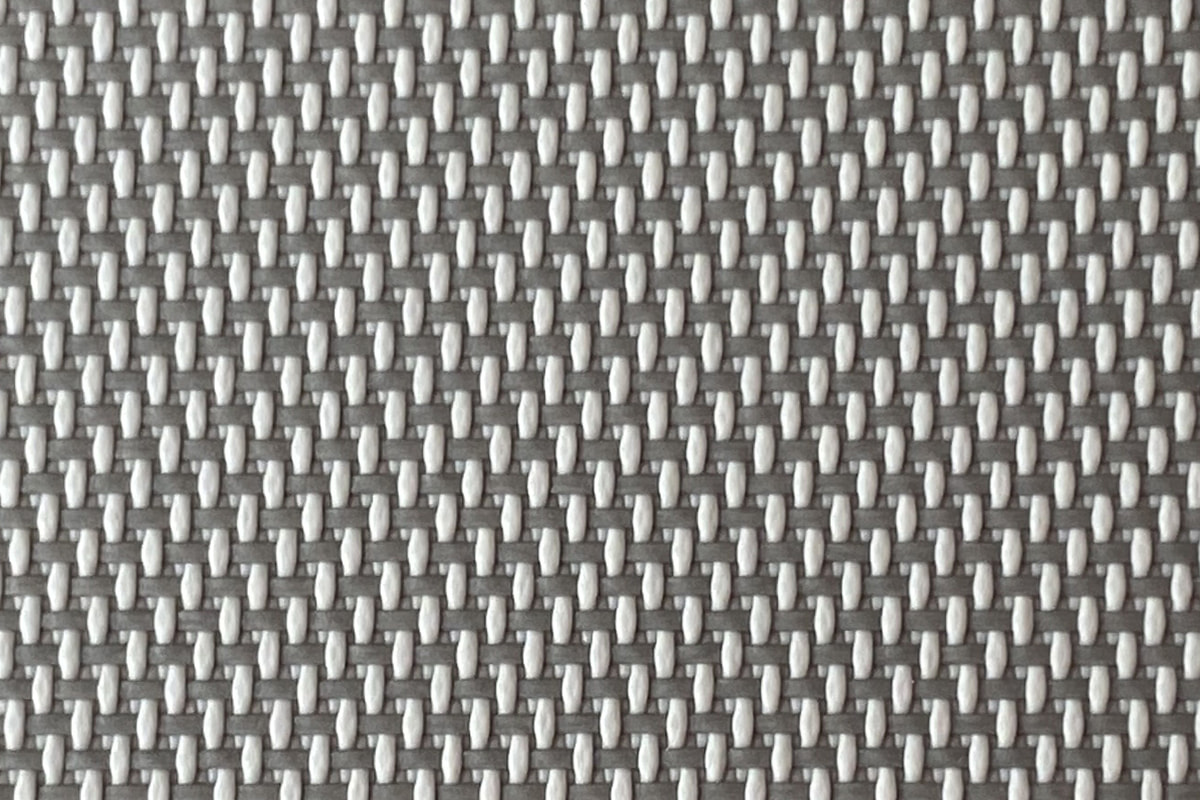
What Sunscreen Mesh Fabric Is
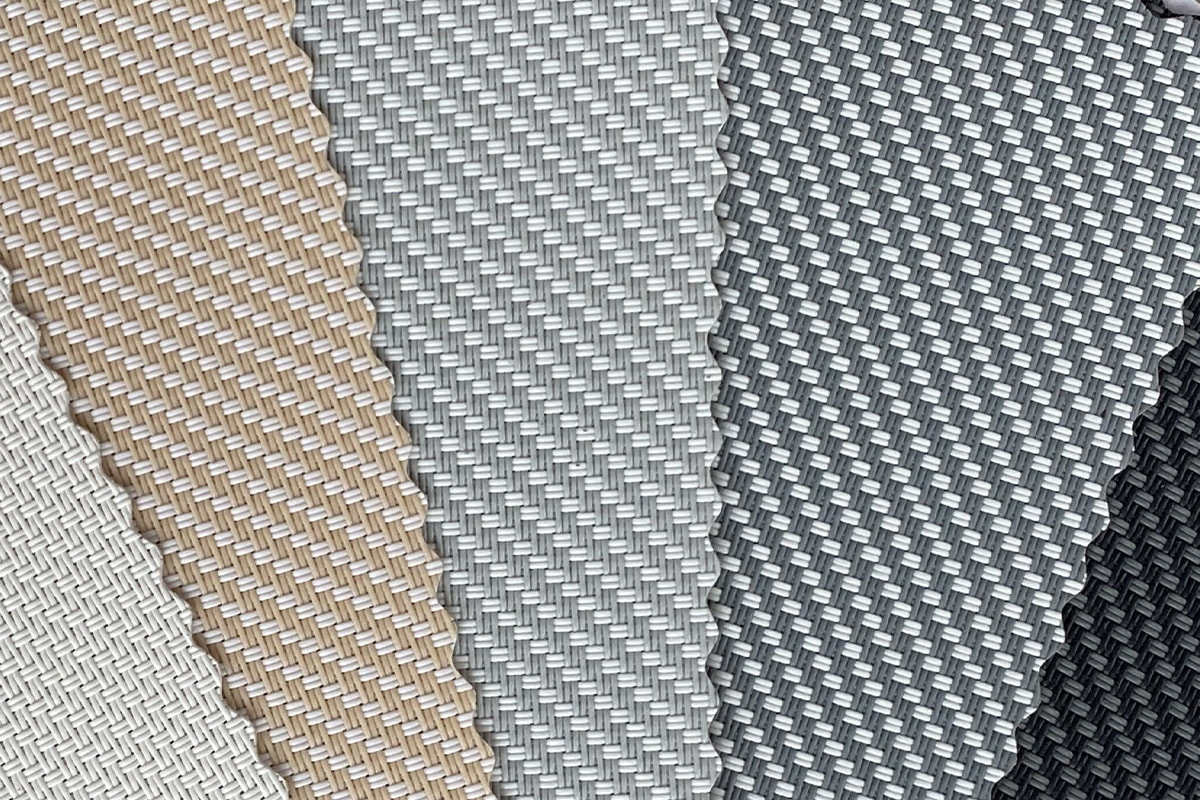
La tela está tejida con espacios que bloquean los rayos UV pero dejan pasar el aire.
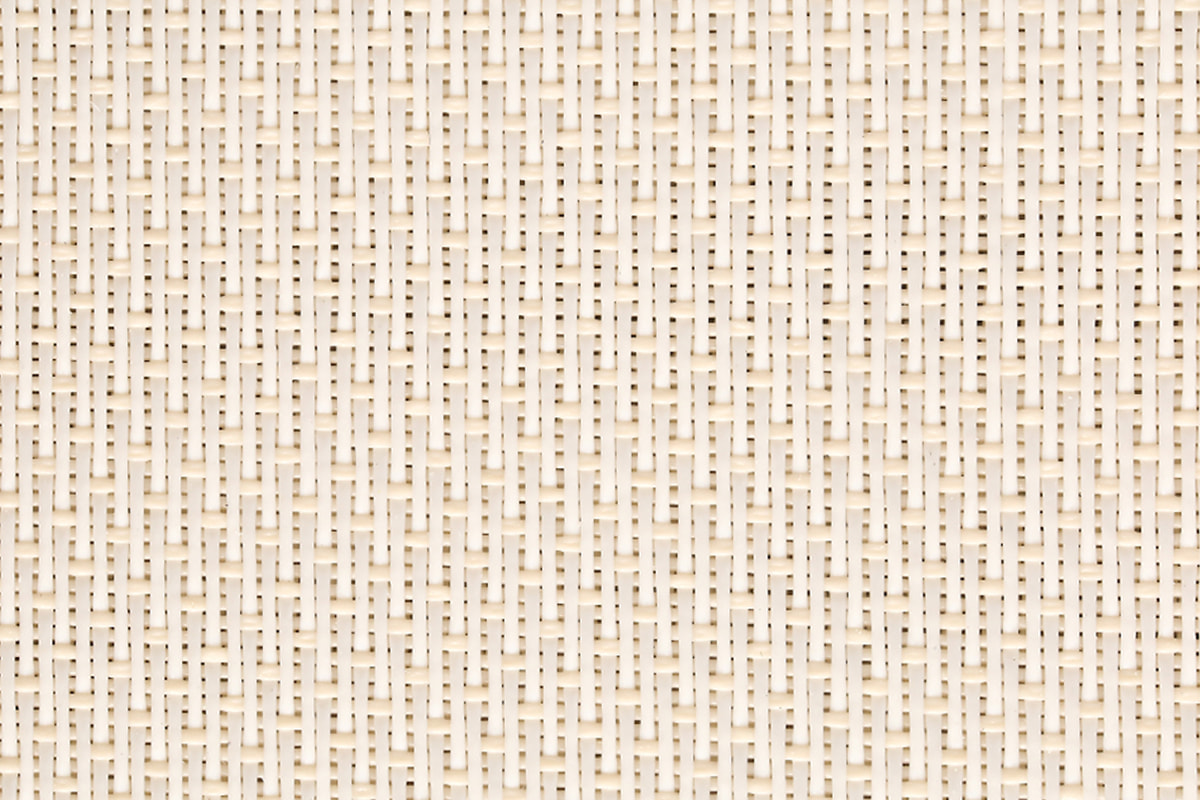
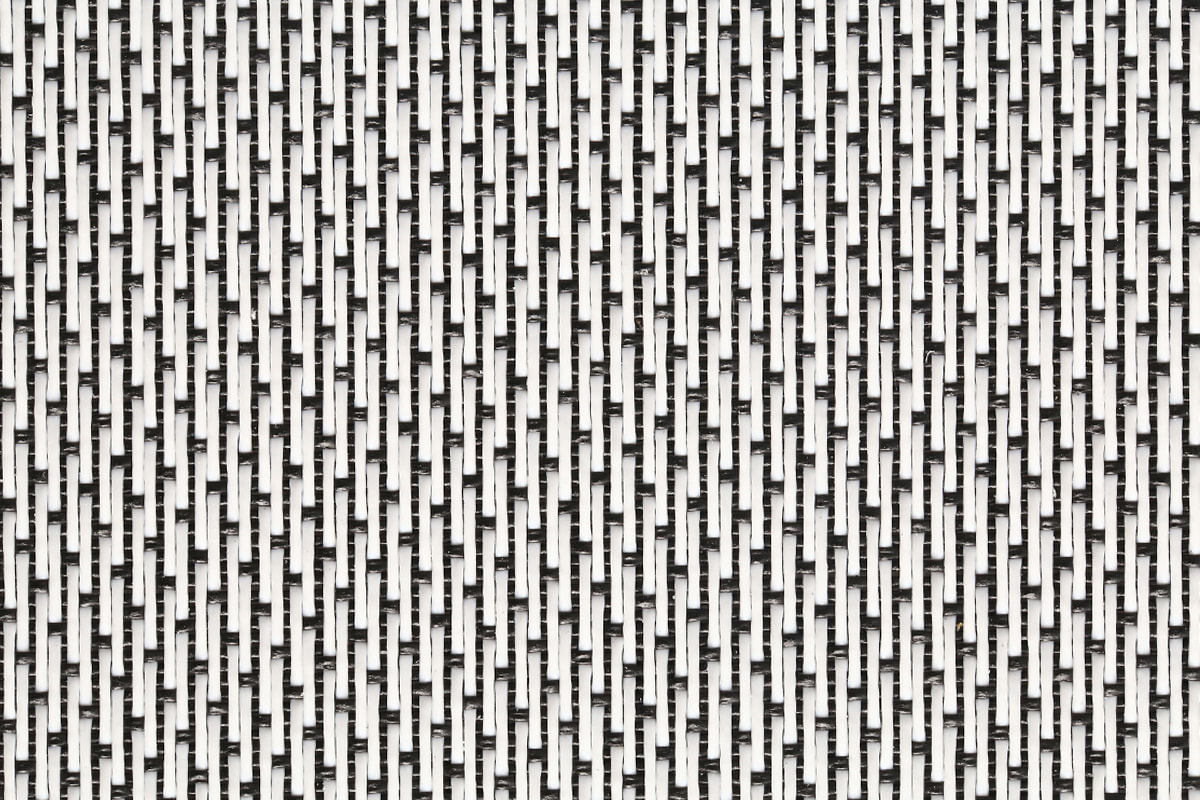
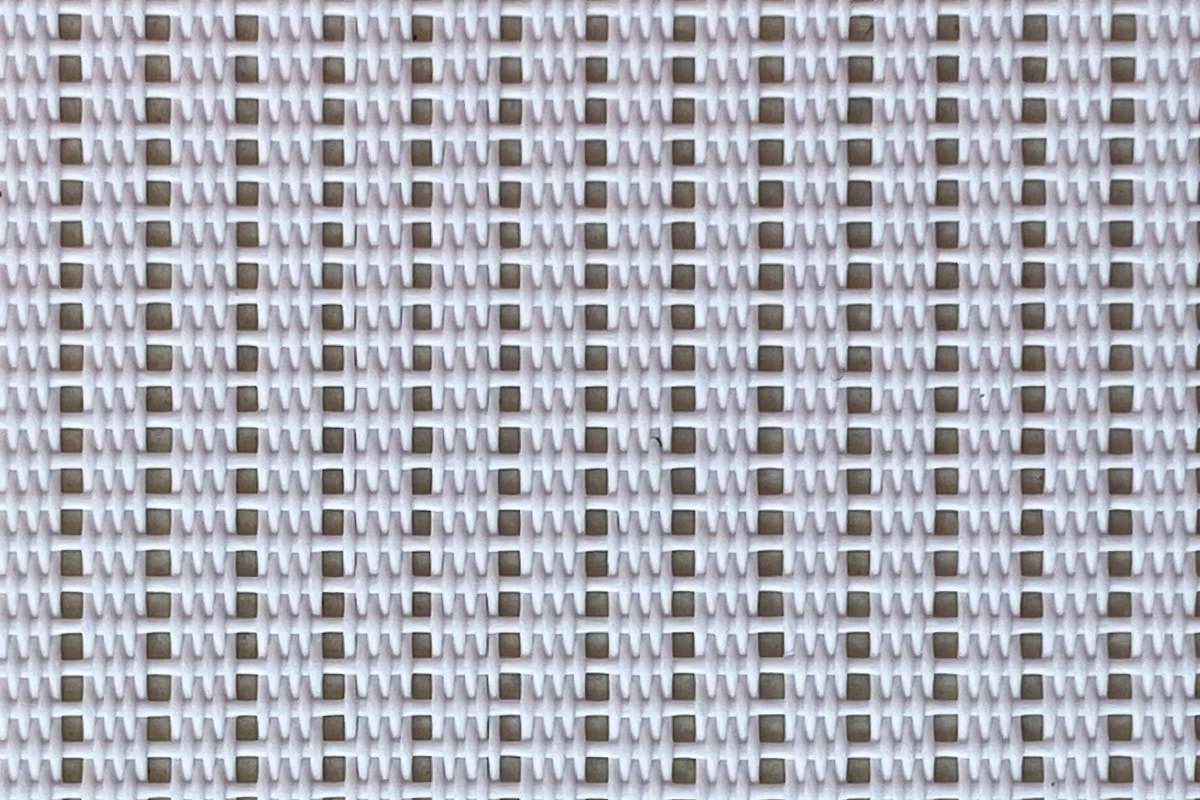
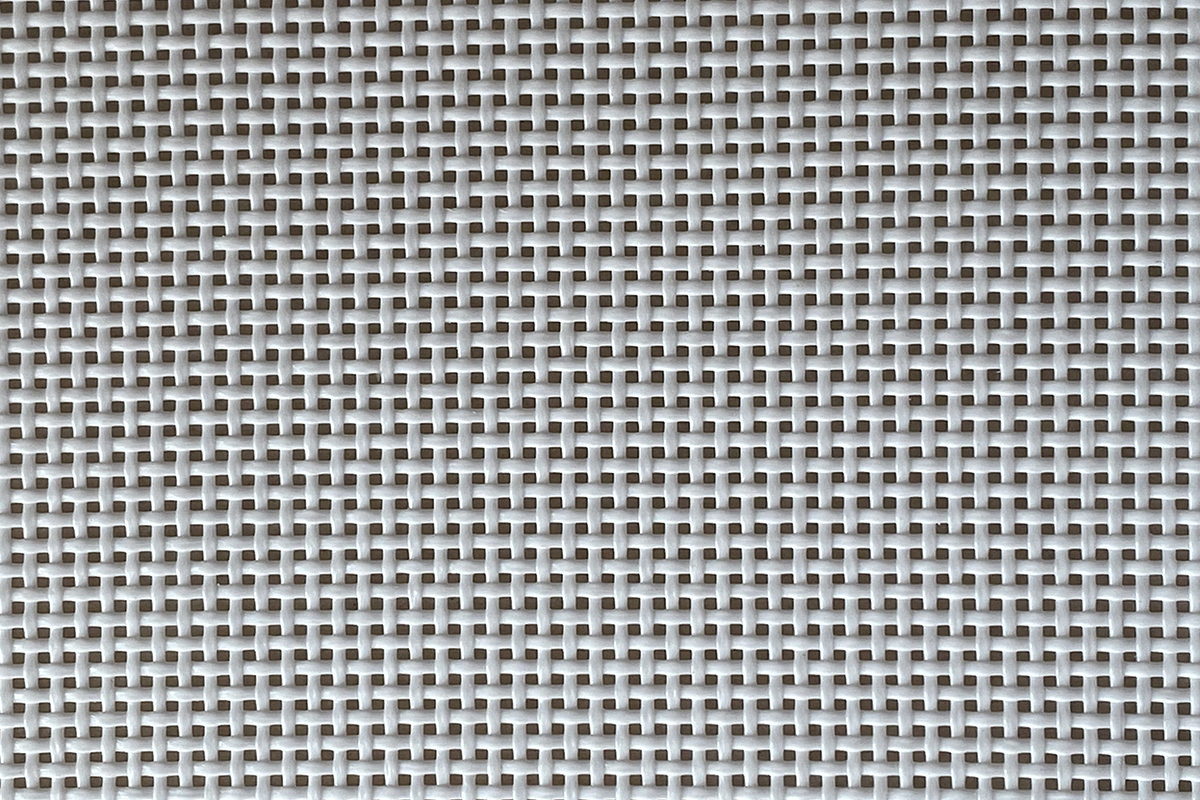
A sunscreen mesh fabric is like a screen door. Tejido abierto. Threads run in two directions. Brechas entre ellos. The gaps are small, measured in millimeters. The fabric blocks a percentage of sunlight. 70 por ciento. 80 percent. 90 por ciento. The rest passes through.
Air moves through the gaps. No hot air gets trapped underneath. No se acumula humedad. El área sombreada parece sombra real, no un horno.
The material is usually HDPE or polyester
El polietileno de alta densidad (HDPE) es el material más común para la tela de malla de protección solar. HDPE does not absorb water. It does not rot. Resiste los rayos UV. El color se desvanece lentamente. The fabric lasts for years outdoors.
Polyester is another option. Softer and more flexible. El poliéster absorbe agua. It can mildew if left wet. Treated polyester resists mildew. Sin tratamiento, no.
Here is how materials compare:
- HDPE: rígido, resistente a los rayos UV, impermeable y de larga duración
- Polyester — soft, flexible, can mildew, shorter life
- Poliéster recubierto de PVC: más pesado, más duradero y caro
How Sunscreen Mesh Fabric Is Made
The yarn is extruded and woven
Los gránulos de plástico se funden y se extruyen para formar hilo. The yarn is flat or round. Flat yarn creates a tighter fabric. Round yarn creates a softer feel. Una fábrica de telas de malla protectora solar teje el hilo en un rollo continuo.
The weave pattern affects openness. A tighter weave blocks more sun. A looser weave lets more air through.
UV stabilizers are added to the resin
El sol destruye el plástico. UV rays break down the material. The fabric becomes brittle. Se agrieta. Una fábrica de telas de malla para protección solar agrega estabilizadores UV a la resina antes de la extrusión. The stabilizer is in the yarn, not sprayed on.
The fabric is heat-set for dimensional stability
Heat-setting locks the weave in place. The fabric does not stretch or shrink. Una fábrica de telas de malla para protección solar pasa la tela por un horno calentado. Los hilos se fijan. La tela se mantiene plana.
Where Sunscreen Mesh Fabric Gets Used
Pergolas and patio covers
A solid roof makes a patio dark. Una tela de malla protectora solar extendida sobre una pérgola mantiene la luz. Luz moteada. Agradable. The space is cooler than full sun. The breeze still blows through.
Greenhouses and shade houses
Las plantas necesitan sol. Demasiado sol los quema. Una malla de protección solar sobre un invernadero reduce la luz. The plants get what they need. No más. The fabric also lowers the temperature inside.
Parking shades and carports
A car in the sun gets hot. El tablero se hornea. The steering wheel burns. Una pantalla de tela de malla con protección solar mantiene el auto fresco. The fabric does not trap heat.
Here is where sunscreen mesh fabric is used:
- Pérgolas y patios: cómodos espacios al aire libre
- Greenhouses — plant protection
- Parking structures — car shade
- Outdoor event tents — light and airflow
- Playgrounds — sun protection for children
What to Look for in Sunscreen Mesh Fabric
Openness percentage determines shade level
La apertura es el porcentaje de espacio abierto en la tela. Una tela con un 30 por ciento de apertura bloquea el 70 por ciento de la luz solar. 10 percent openness blocks 90 percent.
Here is what openness does:
- 5-10% de apertura: sombra intensa, buena para automóviles y sol del desierto
- 15-20 % de apertura: sombra media, buena para patios y pérgolas
- 25-30% openness — light shade, good for plants and greenhouses
- 35-40 % de apertura: tono muy claro, principalmente para pantallas de privacidad
La calificación de bloqueo UV es importante
The fabric blocks UV, not just visible light. A sunscreen mesh fabric should have a UV block rating. 90 por ciento o más. Some fabrics block 95 or 98 percent. The fabric keeps UV off skin and furniture.
Reinforced edges for tensioning
A panel gets stretched over a frame. The edges need reinforcement. A hem with a rope inside takes the tension. The fabric does not tear.
Common Problems with Sunscreen Mesh Fabric
The fabric stretches and sags
Cheap HDPE has low tensile strength. A panel stretches over time. Se hunde. Pozas de agua en la parte superior. La tela se rasga.
El color se desvanece rápidamente
Cheap dyes wash out in the sun. Una tela de malla protectora solar que comienza en gris oscuro y se vuelve gris claro en una temporada. The UV protection degrades with the color.
The fabric tears at the grommets
Sin cuerda en el dobladillo. The tension pulls on the grommet. The grommet tears through the fabric. El panel se rompe.
The seam splits along the center
Some panels are sewn from two narrower pieces. The center seam is stitched. Stitching weakens the fabric. La costura se parte. El panel se desmorona. One-piece panels are stronger.
Una fábrica de telas de malla para protección solar produce material que convierte espacios cálidos y soleados en espacios frescos y sombreados. La tela adecuada tiene la apertura correcta para su aplicación. 90 percent UV block small. HDPE para una larga vida útil. Poliéster para mayor suavidad. Bordes reforzados. Cuerda en el dobladillo. One-piece panels when possible. A good fabric lasts for years. The shade is comfortable. El espacio es utilizable. A cheap fabric fades, sags, and tears. Compras otro. You spend more over time. Gasta una vez. Consigue la buena tela. Tu patio, invernadero o auto te lo agradecerán.
 Número 1-7, Camino Songxi, Chengguan, Ciudad de Tiantai, Provincia de Zhejiang, China. Código postal: 317200
 +86-13958505030
